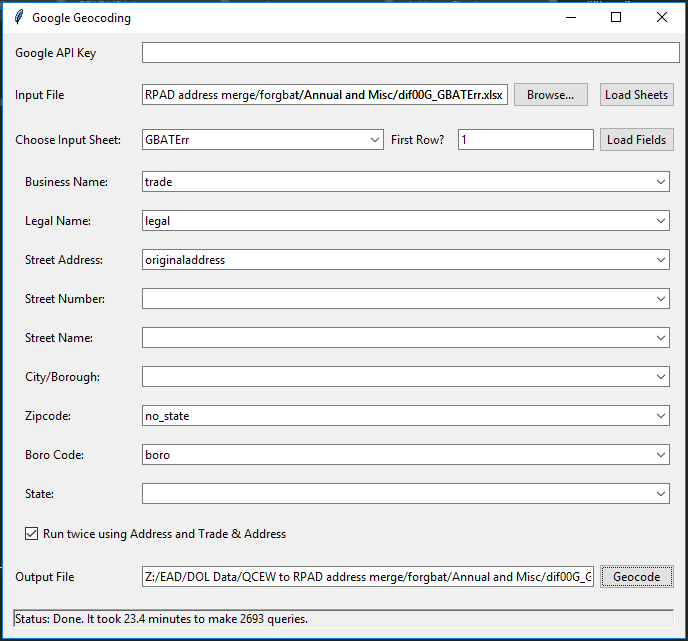
Google Maps Geocoding GUI
Google Maps Geocoding GUI
Applied scientist by training (Ph.D. from UIUC), tinkerer and imaginative builder by obsession. By day I explore complex reasoning systems and generative models; by night I'm in my workshop wiring LED reliefs on my Bambu printer, building on-device voice assistants like Biscuit, or getting robotic arms to safely manipulate real-world objects.
I love making things that are a little weird, genuinely ambitious, and fun to interact with. Welcome to my digital workshop.
Empirical econometric studies, data visualization experiments, mapping tools, and software prototypes.
Google Maps Geocoding GUI
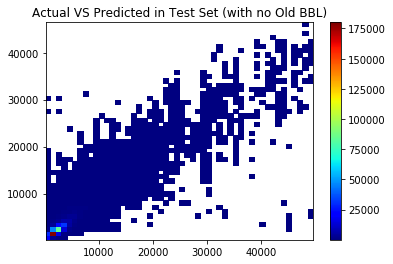
Random Forest Regression to Impute Missing Values

Worth the Cost? An Examination of the Commercial Revitalization & Commercial Expansion Programs
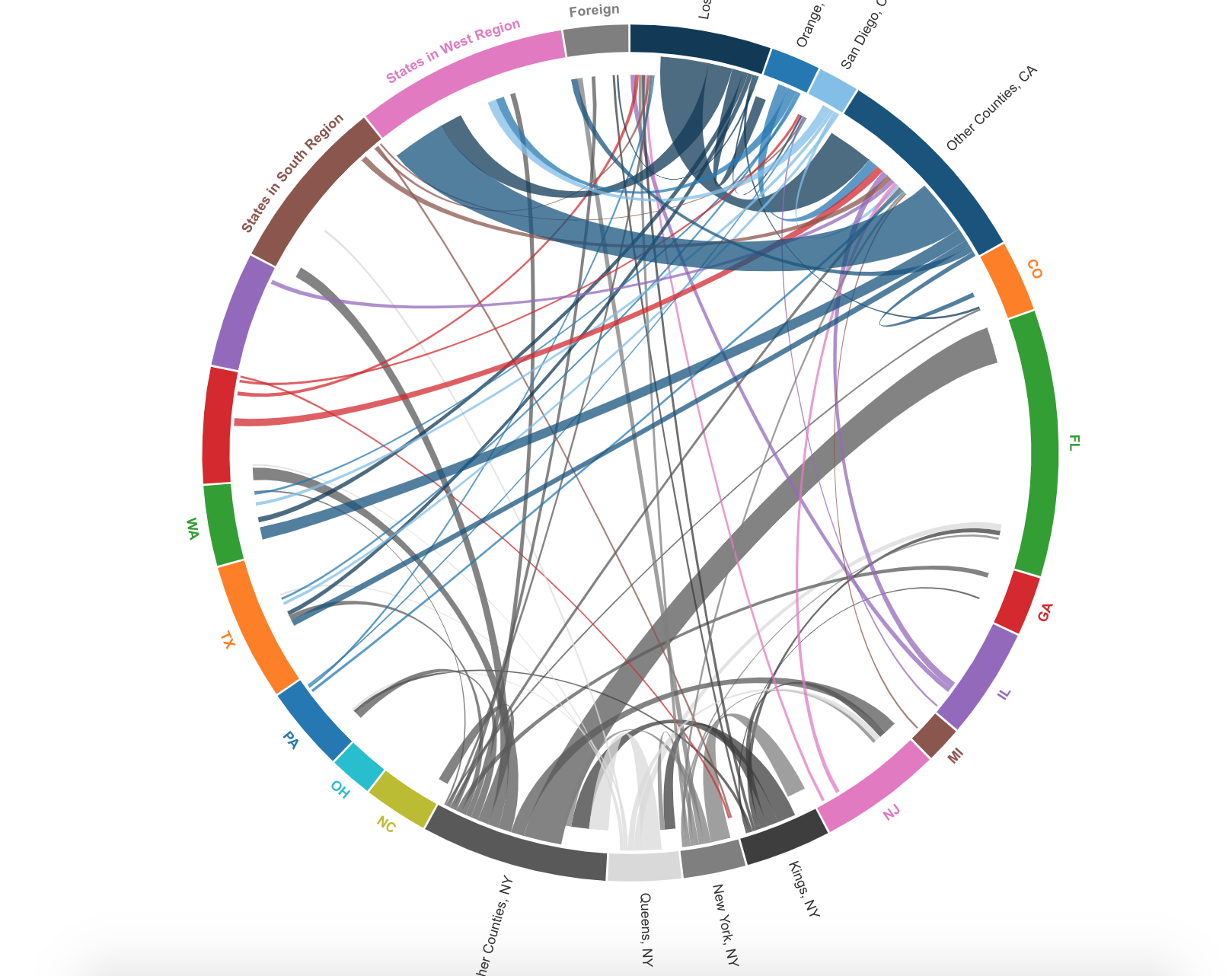
Visualizing State/County Migration
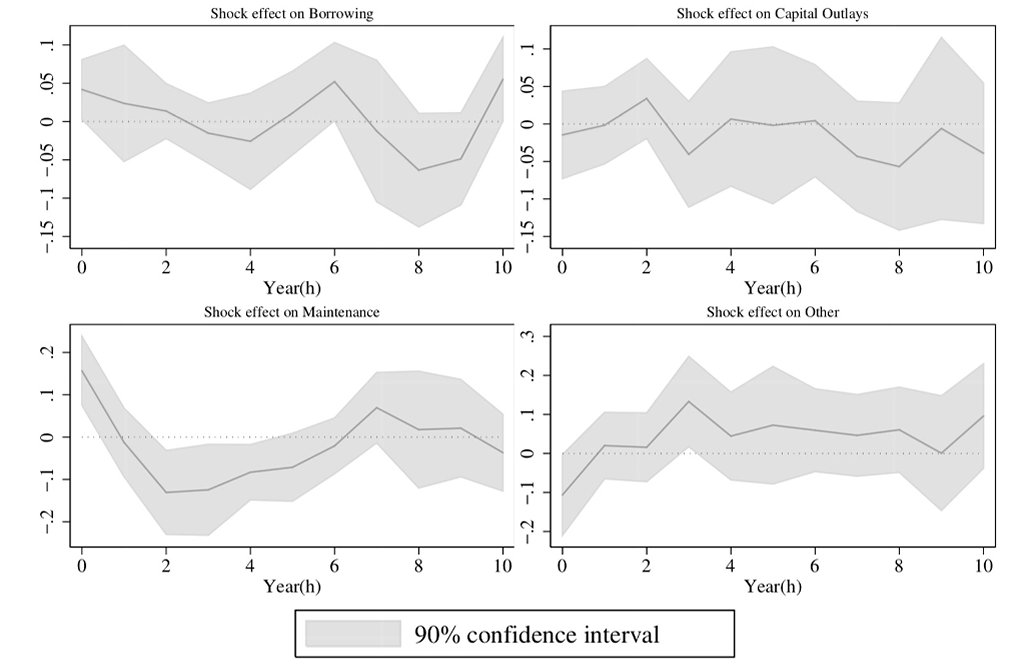
Deferring maintenance expenditures in fiscal downturns can be more costly than accumulating debt or cutting pension contributions. This paper takes advantage of the formulary distribution of Federal highway grants to examine the extent and context of highway maintenance deferral. Since the formula factors used in the apportionment of Federal highway grants are always three years old, I can measure exogenous grant shocks as the difference between this year’s and previous year’s forecast of each state’s future grants. I show that state governments respond to a negative grant shock by cutting highway maintenance expenditures more rapidly than other expenditures. The Impulse Response Functions (IRFs) of maintenance expenditures as a share of total expenditures show that states only partially compensate for the initial cuts in the subsequent periods – deferring maintenance expenditures and accumulating maintenance needs. Furthermore, I find that the deferral of maintenance expenditures is more pronounced in election years, which suggests that this inefficient behavior is subject to agency problems.

Productivity and Quality-of-Life Benefits to Rural Infrastructure
Valuing Public Goods More Generally: The Case of Infrastructure
Dispatches from the workshop on 3D printing, robotics, curious AI architectures, and data science.
I'm polishing up build logs and field notes on 3D printing, robot arm teleoperation, and on-device AI. Follow along via RSS to read them when they drop!
Honest notes on hardware mistakes, 3D printing lessons, robot experiments, and software architecture. No corporate spam.